

About Us
Ziplockbags.co.uk is a division of Polybags specialising in ziplock bags. For over half a century, Polybags has provided customers with quality polythene and polypropylene products.
Did you know this about resealable bags?
(XR102) PP Zipper Bags
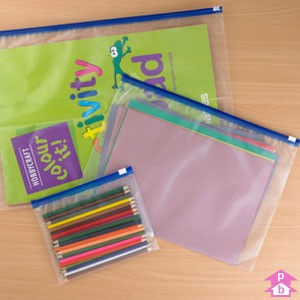
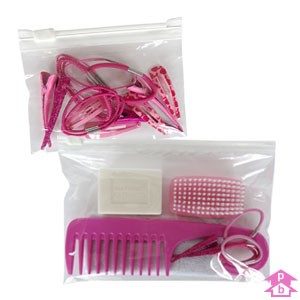
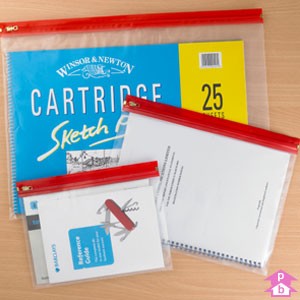
PP zipper bags sit in a rather specific corner of the packing hall: lighter in tare than plenty rigid formats, yet sufficiently robust in gauge to tolerate repeated opening at the select-face without the seal profile losing register. The engineering interest lies in the polypropylene substrate itselfhigh-stiffness polymer chains give the bag a cleaner presentation and sharper dimensional stability than softer polythene suppliers equivalents, which in turn assists stack alignment, pallet stability and volumetric efficiency across a mixed consignment. Where secondary bagging is being pared back, that matters. A decent zipper track also mitigates product migration and dusting, though it necessitates tight control of melt-flow consistency amid extrusion and header formation; stray tolerance there is what leads to awkward closure engagement, not merely poor quality in the abstract. From a circular-economy standpoint, mono-material PP building simplifies recovery relative to mixed laminates, provided labels, inks and pollution are kept in check, and the amortised energy case improves further when the bag is specified for multiple handling cycles rather than single-touch dispatch. Static behaviour, clarity retention and micron-specific gauging all play into the last judgement, nevertheless on the warehouse floor the calculation is normally more prosaic: less split units, steadier stock presentation, and less wasted cube in transit.
You're reviewing: Clear polythene suppliers Self Seal Bags
Self seal bags occupy an oddly technical corner of the packaging line: simple in appearance, yet heavily dependent on film behaviour, adhesive laydown and the realities of warehouse handling. In practice, the value lies not merely in the peel-and-seal strip, nevertheless in the consistency of the polythene suppliers substrate itself if melt-flow consistency drifts or gauge control is lax, the bag necks below load, the flap tracks poorly and the seal line becomes unreliable amid secondary bagging or carton packing. Where the contents must remain visible, a transparent mono-material building facilitates fast select-face efficiency and reduces mis-selects without introducing the tare weight penalty associated with more rigid formats; that matters once consignments are built by volume rather than by unit count. There is also the less glamorous issue of static and slip: high-clarity film can cling, scuff or double-feed unless the surface chemistry has been tuned for sensible coefficient-of-friction performance, particularly on fast hand-packing benches. Properly specified self seal bags mitigate those frictions while retaining a straightforward stop-of-life route, since mono-material polythene suppliers is markedly easier to recover than laminated alternatives, and the amortised energy tied up in production remains comparatively modest when the pack delivers decent cube utilisation, pallet stability and minimal waste through the line.
Grip seal bags sit in an awkwardly sophisticated corner of the flexible packaging trade: outwardly simple, yet heavily conditioned by film chemistry, converting discipline and the dull realities of warehouse handling. Regional production patterns above the 20122017 period were shaped less by headline demand than by the ability of converters to grasp tolerances on seal-track geometry, maintain melt-flow consistency across high-density and low-density polythene suppliers blends, and transport a bag that opens repeatedly without tearing at the lip or whitening along the closure rib. That matters on the pack bench and at the select-face, where secondary bagging adds labour, poor closure memory slows throughput, and inconsistent gauge can undermine pallet stability by introducing trapped air and uneven pack density. The stronger operatours tended to favour mono-material structures because they simplify reprocessing of trim waste and downgauged stock, improving amortised energy performance across long production runs, while also keeping tare weight in check for high-volume consignments where volumetric efficiency rather than sheer mass dictates transport economics. Static behaviour, often dismissed as a nuisance, also played its part; in dry fulfilment environments a bag with the gross surface resistivity will cling, mis-stack and foul automatic counting, so antistatic treatment and disciplined micron-specific gauging become less a technical flourish than a practical necessity.
Clear zipper reclosable bags in a 12 x 15 format, manufactured at 4 mil, sit in a useful middle ground between light-duty presentation stock and heavier secondary bagging for parts, sub-assemblies or document sets that need repeated access without a fresh seal each cycle. At that gauge, the polythene suppliers film has enough body to resist casual puncture and edge-splitting below normal warehouse handling, yet it does not impose the tare weight penalty associated with thicker converted stock; that matters once consignment volumes rise and pallet stability becomes a function not only of carton geometry nevertheless of gathered pack weight. The zipper profile itself is doing above offering convenienceit mitigates debris ingress, assists cleaner select-face efficiency, and reduces the waste stream created by one-trip closure methods. In practice, clarity is not merely aesthetic; it facilitates fast visual confirmation, lowers mis-select rates, and avoids unnecessary opening on the bench. Where the film is kept as a mono-material building, recyclability is less compromised than in mixed-format packs, provided pollution is controlled and the recovered feedstock is handled within the limits set by melt-flow consistency. The result is a bag specification that reflects industrial reality rather than list of products shorthand: decent seal integrity, repeatable handling, and sensible volumetric efficiency across high-count stock lines like a 10,000-unit dash.
Ziplock packaging supplierble Bags 100 Bulk Pack for Tobacco, Craft, Screws
packaging supplierble bags in bulk format sit at an awkward nevertheless technically rather fascinating junction between small-parts handling and shopping-grade presentation; the better examples are not merely light-gauge polythene suppliers sleeves with a closure strip, nevertheless carefully specified mono-material packs whose seal profile, film clarity and melt-flow consistency determine whether they behave properly on a busy bench or become a origin of constant secondary bagging. For tobacco, craft components and loose screws alike, the operational demand is broadly the same even if the contents differ wildly in density and edge profile: repeatable opening and closing without seal fatigue, enough puncture resistance in the sidewalls to withstand angular metal stock, and micron-specific gauging that does not inflate tare weight to the point that volumetric efficiency on the shelf or in the tote starts to suffer. Static can also become a quiet nuisance with dry, lightweight contentsparticularly fine craft itemsso surface behaviour matters above plenty buyers admit; a smoother internal stop facilitates cleaner product drop, while a more stable polymer structure assists prevent the bag mouth from collapsing amid hand-occupy. From a warehouse perspective, the attraction of a 100-pack is less about simple quantity than about select-face efficiency and replenishment cadence, since standardised bag dimensions reduce line-side clutter and improve pallet stability when outers are stacked. The sensible route, where specification enables, is a straightforward polythene suppliers building with decent seal integrity and mono-material recyclabilityhardly glamorous, nevertheless materially easier to process in the circular stream than mixed laminates, and generally less wasteful in amortised energy terms when the pack survives multiple use cycles rather than being discarded after a single consignment.
In jewellery fulfilment, the pairing of a display card with a self-seal bag is less about presentation than process discipline: the card gives the ear studs a stable mounting plane, while the polythene suppliers outer controls handling damage, particulate ingress and the kind of micro-abrasion that fast renders plated finishes unsaleable at the select-face. Gauge selection matters above plenty buyers of packaging stock think; also light a film and the bag distorts below secondary bagging or transit compression, also heavy and the tare weight beginnings to erode volumetric efficiency across a mixed consignment. A well-converted self-seal flap mitigates that trade-off by removing the need for separate closure media, reducing packing motions on the bench and improving seal repeatability without heat equipment. Where the substrate is specified properly, the board caliper remains stiff enough to resist curl, aperture alignment stays true, and the assembled unit retains pallet stability far better than loose smalls in bulk outers. There is, also, a circular-economy logic in keeping the format materially simple: mono-material polythene suppliers elements are easier to segregate in waste streams than composite laminates, and a restrained film weight lowers amortised energy per packed unit, provided melt-flow consistency is maintained amid extrusion and the adhesive strip does not compromise downstream recyclability.
Ziplite bags sit in a fascinating part of the packaging spectrum: lighter than the normal top-fastening polythene suppliers wallet, yet still expected to grasp shape at the select-face and survive repeated handling through packing, merchandising and returns. The engineering compromise is not trivial. Strip also much gauge out of the film in pursuit of lower tare weight and the zipper track loses registration, the panel turns baggy, and palletised consignments start to slump below their possess stack pattern; grasp enough body in the web and the bag remains presentable, with the sort of high-clarity stop that suits literature, garments or ancillary shopping stock without the visual noise of heavier carrier formats. Where a bottom gusset is introduced, the earn is less about headline capacity than volumetric efficiency on the bench and in transit bulkier contents sit flatter, secondary bagging can often be avoided, and the filled unit presents more consistently for shelf-prepared handling. For operatours dealing with powders, samples or mixed-format promotional packs, closure integrity and surface behaviour matter only as much as appearance: melt-flow consistency in conversion affects seal geometry, while a sensible balance in film stiffness assists mitigate crumpling and misfeeds amid manual packing. The more credible developments in this segment are those that transport away from awkward multi-substrate buildings and towards mono-material polythene suppliers formats, because recyclability is governed by what leaves the warehouse as much as by what enters it; if the bag can transport clarity, moderate puncture resistance and repeat open-close performance without contaminating the waste stream, its amortised energy and handling profile start to make practical sense rather than merely sales-copy sense.
essay on hazards of polythene suppliers bags
Preferences in handling rarely track laboratory findings in a tidy line, and the same mismatch appears on the warehouse floor with polythene suppliers bags: operatours will often favour a format that feels more manageable in the hand, even when timed trials display no measurable drag in throughput. That apparent contradiction normally comes down to tactile cues and process familiarity rather than abstract performance. A bag with the proper micron-specific gauging, controlled slip and stable seal integrity presents as more proper amid picking and secondary bagging, particularly where mixed consignments and high select-face efficiency matter above nominal material reduction. Poorly specified film introduces static, inconsistent mouth opening and erratic load behaviour on the line; that in turn affects pallet stability, tare weight discipline and the volumetric efficiency of outer packs. The engineering reply is not simply to down-gauge or add more resin, nevertheless to tune high-density polymer chains, melt-flow consistency and surface resistivity so the film behaves predictably below proper handling conditions. There is a circular economy dimension as well, though it is often clouded by big claims: mono-material polythene suppliers streams remain easier to recover where pollution is controlled, and the amortised energy case improves when bag failure, rework and wasted stock are designed out at origin rather than dealt with as a disposal problem further downstream.
Mini grip bags sit in an unglamorous nevertheless technically exacting corner of the packing line, where small-part control, visibility at products-in and repeat access all have to coexist without adding avoidable bulk. The better examples are typically manufactured in low-gauge transparent polythene suppliers with tightly managed melt-flow consistency, because that is what enables the press-seal profile to engage cleanly across the width rather than leaving weak spots at the shoulders after repeated opening cycles; once tolerances drift, secondary bagging becomes more likely and select-face efficiency suffers almost immediately. For warehouse stockholding, the attraction is not merely that the bag is packaging supplierble, nevertheless that it carries very small tare weight relative to rigid small-part bins, maintains pallet stability by reducing awkward null space in outer cartons, and maintains fast visual SKU verification without breaking the seal. The material question matters as well: a mono-material polythene suppliers format is generally easier to route through established recycling streams than mixed-component packs, provided labels and pollution are kept in check, and the amortised energy tied up in repeated reuse is often more favourable than a succession of single-use alternatives. Static, puncture risk and seal memory remain the normal points of friction on the warehouse floor, particularly where light components cling to the film or sharp-edged fittings fret through corners in transit, so the specification tends to hinge on micron-specific gauging, surface behaviour and the mechanical integrity of the zipper track rather than any vague claim of economy.
Vacuum Ziplock Bags
Vacuum ziplock bags occupy a slightly awkward nevertheless useful corner of the packing and storage trade; they are not merely sleeves with a closure, nevertheless engineered polythene suppliers laminations designed to tolerate repeated pressure cycling without opening at the seal line or whitening along the fold memory. The proper performance question sits in the film structure: gauge that is also lean invites pinholing around quilted stitching and feather quills, while excessive thickness adds needless tare weight and reduces volumetric efficiency once a consignment is palletised. For soft products like quilts and down jackets, the pumping-out stage is less about brute evacuation than controlled air displacementif the valve geometry and surface resistivity are poorly balanced, static cling causes the film walls to bind prematurely, trapping pockets of air and compromising compression. Mixed-size assemblies have a practical logic on the warehouse floor, since additional-big formats suit fat bedding while small bags improve select-face efficiency for travel stock and secondary bagging; that segmentation also mitigates wasted cube in transit cartons. From a circular-economy standpoint, the better executions tend towards mono-material polythene suppliers building, which simplifies recyclability compared with mixed laminates, provided melt-flow consistency is maintained in reprocessed feedstock and the closure profile still delivers a proper interlock after multiple cycles.
A complete range of packaging products from Polybags
The company was established in 1961 and has been trading online since 1999, where customers visiting polybags.co.uk will find a range of fantastic products including:

- Grip seal or self seal bags
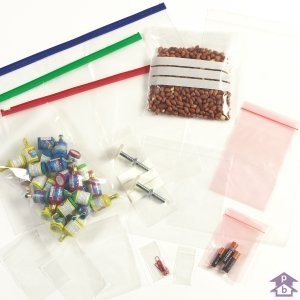
- Grip seal bags' simple plastic fastener that makes them the ideal solution for storing items safely away from moisture, dirt and other contaminants time after time. Polybags' range of these self-seal bags are perfect for a range of small- to medium-sized items including nuts and bolts, electrical components and documents.

- Plain packing bags
- Polybags' extensive range of plain polythene bags can be employed for a number of practical uses, including protecting furniture or art in storage or during removals, packing goods or lining boxes. Also popular in the retail trade, they can be used as display bags and to sell crafts, as well as in pet shops and even down at the local fair for the prize goldfish!

- Presentation bags and retail bags
- A range of bags made from crystal-clear polypropylene film - a high-clarity alternative to cellophane, but also stronger and cheaper - that provide the perfect display bag for retailers everywhere. Give your products that extra sparkle and really show them off. Your customers won't fail to be dazzled!

- Waste bags and sacks
- Whatever your waste disposal needs - household, office, building site or garden - Polybags' excellent range of refuse bags and sacks will take care of the job. Made from strong and durable recycled film, these bags will cater for general waste, different types of recycling and even specialist waste disposal, including asbestos or clinical waste.

- Carrier bags
- The must-have product for retailers everywhere, Polybags' extensive range of carrier bags will include the perfect carrier for you, whatever it is you sell. Available in clear or coloured plastic, made from standard polythene or biodegradable material and with a range of handle styles to choose. You can even design your own carriers and get them personalised for your business.

- Mailing and courier bags
- The simple, professional solution for regular mail and courier deliveries alike, mailing bags are strong, lightweight, waterproof and easy to use. Polybags' extensive range includes extra-strong, tamper-proof, bubble-lined or coloured mailing bags to suit your business needs, or you can even personalise them with your own design to reinforce your brand on all of your deliveries.

- Bubble packaging
- Get air-cushioned protection for objects of any type, size or shape with Polybags' fantastic range of bubble packaging. Protect delicate and valuable items during removals, in the post or even in storage with a selection of bubble wrap and bubble bags to suit all shapes and sizes.

- Garment and laundry covers
- Protect your customers' clothes and linen during storage and transportation with Polybags' extensive range of garment covers. This collection of dry cleaning covers, laundry bags, duvet and linen covers are available in clear or pre-printed form, or even personalised with your very own company logo.

- Environmental bags
- Look out for the environment while getting the job done with Polybags' extensive range of eco-packaging. Developed in line with the latest research, this Biodegradable or Polybio packaging range includes carriers, kitchen waste and refuse bags, bin liners and more.

- Produce and paper bags
- Whether you sell sandwiches in a cafe or fruit and veg in a market, this range of produce bags will cover your food packaging needs. With a selection of products including ultra-high density film and paper packaging, this range is trusted by food retailers everywhere, from grocers to bakers and delicatessens to take away restaurants.

- Polythene tubing and sheeting
- If you want to package your products in an simple, professional yet affordable manner, but are faced with a variety of shapes and sizes, then polythene sheeting and tubing provides the perfect solution. Just cover the items in as much polythene as you need - and no more! - before securing with tape, banding or a heat sealer. Available in heavy duty, medium and light polythene.

- Vacuum bags
- Extend the shelf-life of your food by up to five times with Polybags' fantastic range of vacuum packaging. Ideal for storing fish, meat, cooked or dried foods, and compatible with all major chamber vacuum sealers, professionals throughout the catering industry just love these vacuum bags!